
Personal development isn’t just a trendy concept — it’s a lifelong commitment to becoming the strongest, healthiest, most fulfilled version of yourself. Whether you’re striving for emotional balance, financial stability, stronger relationships, or a deeper sense of purpose, setting clear personal development goals gives you direction and momentum. Without goals, growth becomes accidental. With goals, growth becomes intentional.
Many people want to improve their lives but feel overwhelmed about where to begin. The truth is, personal development doesn’t require massive leaps. It starts with small, consistent steps that compound over time. When you choose goals that align with your values and lifestyle, you create a roadmap that supports your evolution in every area — mentally, emotionally, physically, and spiritually.
Check Out: Discipline Goals
What makes personal development so powerful is its ripple effect. When you strengthen your mindset, your confidence grows. When you improve your communication, your relationships flourish. When you build better habits, your productivity increases. Every goal you pursue becomes a building block for a more empowered life.
This list of top personal development goals is designed to help you identify what matters most and take meaningful action. Each goal includes examples and practical ways to start, so you can move from inspiration to implementation. Whether you’re just beginning your self‑growth journey or leveling up an already intentional life, these goals will help you create lasting change and unlock your full potential.
📌 Top Personal Development Goals
1. Improve Emotional Intelligence (EQ)
Learn to identify and name your emotions. Understanding what you feel helps you respond with clarity instead of confusion. When you can label your emotions, you gain control over them instead of letting them control you.
Practice active listening. Focus fully on the speaker without planning your response in your head. This builds trust and helps you understand the deeper meaning behind someone’s words.
Respond instead of reacting. Taking a moment before you speak allows you to choose a thoughtful response. This reduces conflict and strengthens your relationships. Example: Pause for 10 seconds before responding during conflict.
2. Build Better Habits
Create a morning routine. A structured start sets the tone for a productive day. Even a simple routine can boost your energy and focus.
Reduce screen time. Limiting digital distractions frees up mental space for creativity and rest. It also helps reduce stress and improve sleep.
Drink more water. Staying hydrated improves your mood, energy, and overall health. Small, consistent sips throughout the day make a big difference. Example: Replace 15 minutes of scrolling with reading.
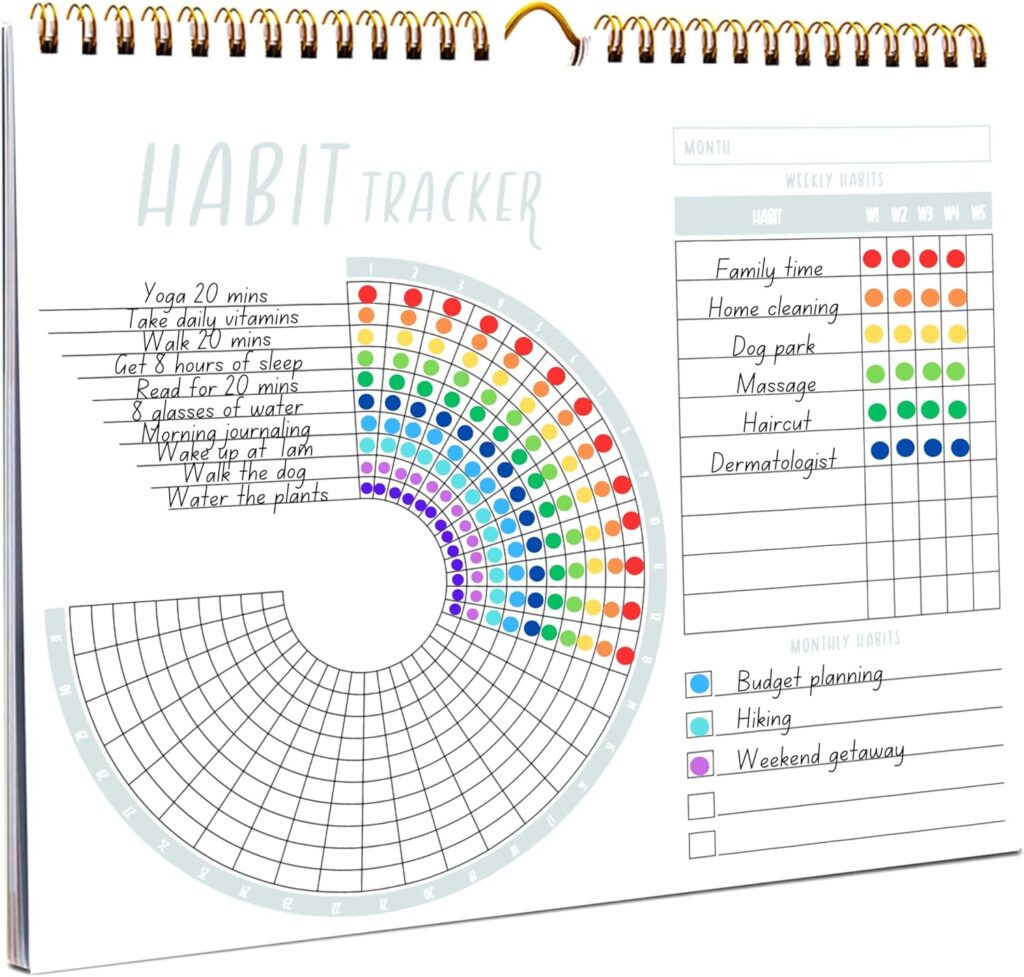
Check this out>>Lamare 2026 Habit Tracker Calendar
3. Strengthen Self‑Discipline
Set daily priorities. Knowing what matters most keeps you from wasting time on low‑value tasks. Priorities help you stay aligned with your long‑term goals.
Follow through on commitments. Consistency builds confidence and trust in yourself. Each completed task reinforces your ability to stay disciplined. Example: Use a timer to stay focused for 25‑minute work blocks.
4. Enhance Communication Skills
Practice assertiveness. Speaking up respectfully helps you express your needs without guilt. Assertiveness strengthens your boundaries and self‑respect.
Improve public speaking. Learning to speak confidently in front of others boosts your influence and leadership skills. It also helps you communicate more clearly in everyday life. Example: Join a local Toastmasters group.
5. Boost Physical Health
Exercise regularly. Movement improves your mood, energy, and long‑term health. Even short workouts can create powerful benefits.
Improve sleep hygiene. Quality sleep supports your brain, body, and emotional well‑being. A consistent bedtime routine can dramatically improve your rest. Example: Walk 30 minutes a day.
6. Grow Financial Literacy
Budget consistently. A budget gives you control over your money instead of letting it control you. It helps you make intentional financial decisions.
Build an emergency fund. Savings provide peace of mind and protection during unexpected events. Even small contributions add up over time. Example: Track every expense for 30 days.
Check this Blog Out>> Positive Affirmations for Success
7. Develop a Growth Mindset
Embrace challenges. Challenges help you stretch beyond your comfort zone and discover new strengths. They’re opportunities for growth, not obstacles.
Learn from failure. Failure is feedback, not a final verdict. Each setback teaches you something valuable about your path forward. Example: Reframe setbacks as lessons, not limitations.
8. Strengthen Relationships
Set healthy boundaries. Boundaries protect your energy and emotional well‑being. They help you maintain balanced, respectful connections.
Express appreciation. Small acts of gratitude strengthen bonds and make others feel valued. Appreciation creates a positive cycle of kindness. Example: Send one gratitude message a week.
9. Increase Productivity
Reduce distractions. Eliminating unnecessary interruptions helps you stay focused and efficient. A clear environment supports a clear mind.
Plan your week in advance. Weekly planning gives you structure and reduces stress. It helps you stay proactive instead of reactive. Example: Use Sunday evenings for weekly planning.
10. Prioritize Self‑Care
Rest intentionally. Rest is not a luxury — it’s a necessity for your mental and physical health. Intentional downtime helps you recharge and show up as your best self.
Create personal rituals. Rituals bring comfort, grounding, and consistency to your life. They help you reconnect with yourself in meaningful ways. Example: Schedule one “unplugged hour” daily.

🌟 Conclusion
Personal development goals are more than tasks on a checklist — they are commitments to your future self. When you choose to grow intentionally, you reshape the way you think, behave, and show up in the world. Every goal you pursue, no matter how small, becomes a stepping stone toward a more confident, capable, and fulfilled version of you.
The beauty of personal development is that it’s never too late to begin. You can start today with one simple goal: drink more water, read for 10 minutes, practice gratitude, or set a boundary. Over time, these small actions compound into powerful transformation. What matters most is consistency, not perfection.
As you work through these goals, remember that growth is not linear. Some days you’ll feel unstoppable; other days you’ll feel stuck. Both are part of the journey. What matters is that you keep moving forward with intention and self‑compassion.
Use these goals as a guide, not a rulebook. Adapt them to your lifestyle, your values, and your dreams. When you invest in your personal development, you invest in a future filled with clarity, confidence, and purpose. Your growth is your greatest asset — nurture it, protect it, and celebrate it.
Jamie L. Taylor;
Soft Luxury Life